
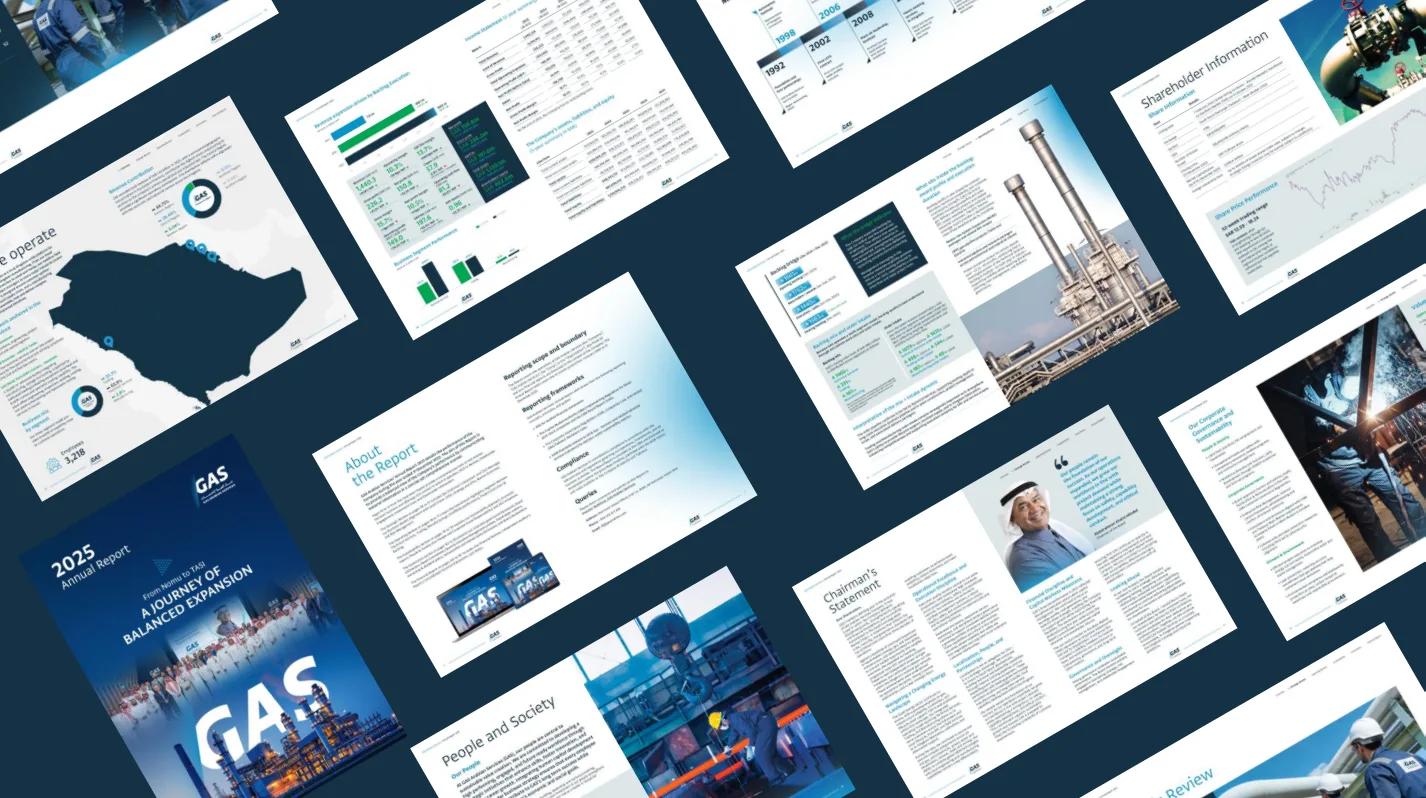
Annual Report Advisory
The annual report is the most consequential document a listed company publishes each year. It speaks to regulators, investors, analysts, and the public at once, and it is read as the definitive statement of how the company performed and how it is governed.
Compliance is the floor
The annual report is your primary communication with the market. It is the one document read by shareholders, analysts, institutions and the regulator alike. Meeting CMA content requirements is the entry condition. What earns the market's confidence is everything after: a strategy that can be modeled, results that reconcile, operations explained in enough detail to underwrite, ESG disclosed to the standard institutions now screen for.
The Challenge
Each gap carries a different price. Compliance gaps draw findings and reflect on the board. Numbers that move between sections cost credibility across the whole document. Vague strategy reads as no strategy. Weak ESG disclosure removes the company from mandates it never learns it was considered for. The report is permanent, public, and read against the reports that came before it.
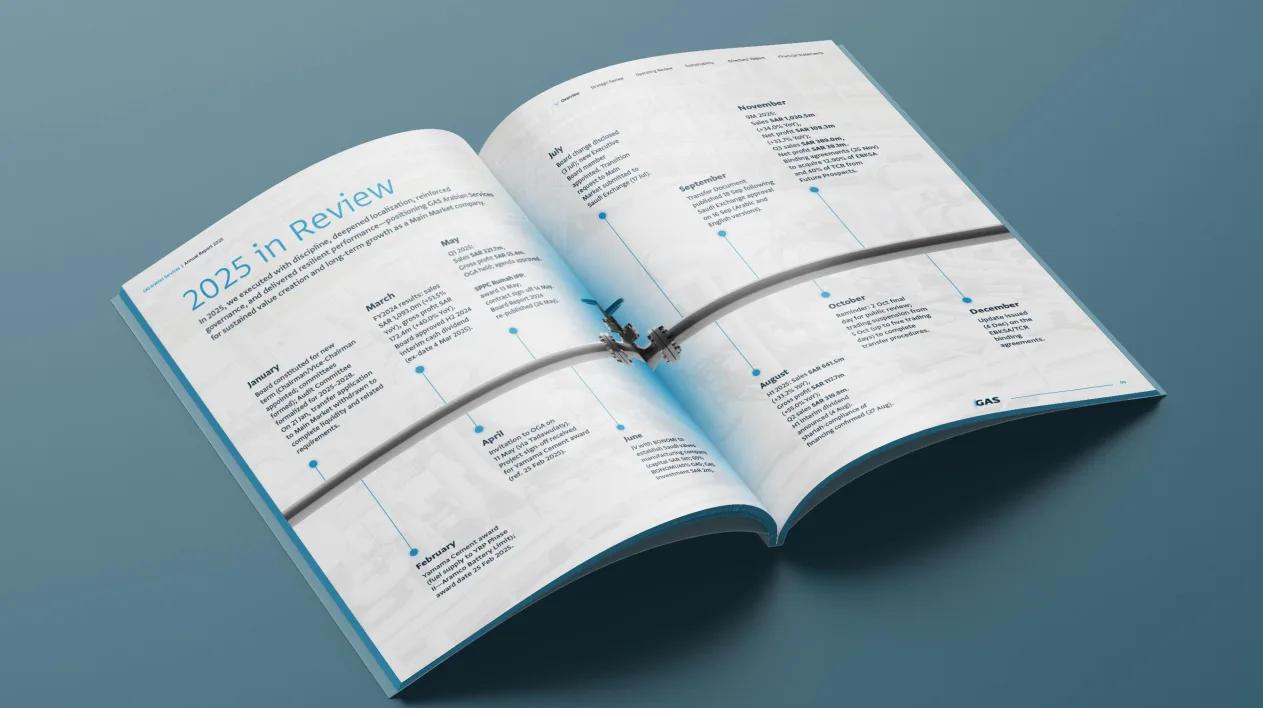
The year, on the record
“An annual report is the company’s own account of a year. The standard of that account says more about the business than any single number in it.”
What We Deliver
Seven deliverables, produced in the order a report is actually built, and reviewed as one document before it goes out.

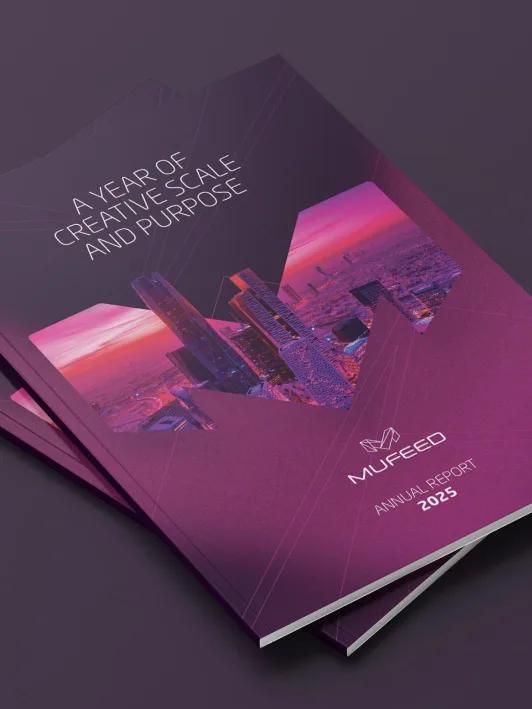
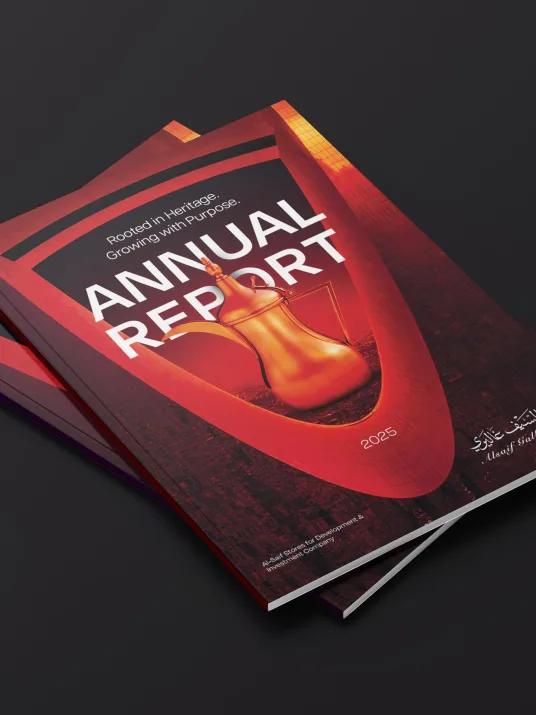
Judged before it’s read
An investor forms a view of a business from the object in their hands, several minutes before reaching a number. A report produced to this standard tells them the discipline runs all the way down.
Written twice, from one brief
Both languages are authored by senior business writers in their own language, from the same agreed messages. Neither is rendered from a master text. The Arabic reader and the English reader come away with the same understanding, in the same register.



Who This Is For
Four situations bring companies to us. The work is the same discipline; the starting point is not.
Tadawul-listed companies preparing their annual report
Nomu issuers building reporting capability for the first time
Boards and audit committees that want the report de-risked before sign-off
Companies that have had disclosure findings and want a cleaner cycle
Frequently asked questions
What must a Saudi board of directors' report contain?
Under the CMA's rules, a Main Market board report must include a review of the year's operations and the factors affecting the business, a five-year summary of assets, liabilities, and results, a geographical revenue analysis, an explanation of any material variance from prior results or announced forecasts, an explanation of any departure from the accounting standards, and the governance disclosures required by the Corporate Governance Regulations. We map the draft to each requirement.
When is the annual report due?
Audited annual financial statements must be published within 90 days of the financial year-end for Main Market issuers, after board approval and before being shared with shareholders or third parties; the board report is filed alongside. Nomu issuers report half-yearly. We plan the production schedule backward from your deadline.
Can you work from our auditors' figures and our existing draft?
Yes. We work from the audited financials and any draft you have, reconcile the report to those numbers, close the content gaps, and lift the narrative. You keep your auditors and your existing relationships; we make the report compliant, consistent, and credible.
The Annual Report Guide for Saudi Listed Companies
The annual report is the most consequential document a listed company publishes each year. This guide covers the board-report content the CMA requires, the financial reconciliation, the deadline, and how to make the report credible rather than merely compliant.
CMA and Tadawul Disclosure Requirements: The Listed-Company Calendar
What a Saudi listed company must disclose, when, by whom, and how. The continuing-obligation regime — periodic reporting, material-event disclosure on Efsah, and the bilingual rule — set out as a practitioner's reference.