

Saudi Sukuk & Fixed Income
Sukuk are the Kingdom's principal instrument of Shariah-compliant fixed-income financing, and the Saudi market is among the deepest sukuk markets in the world. For issuers, sukuk open a financing channel that sits alongside bank debt and equity — sovereign and corporate, local-currency and international, listed and privately placed. For banks specifically, Additional Tier 1 sukuk have become the preferred way to build regulatory capital under Basel III. The regulatory ground has shifted in favor of issuers: in late 2024 the Capital Market Authority approved its largest set of enhancements to the sukuk and debt market since launch, cutting prospectus documentation by more than half, removing the waiting period for local issuers, and widening the range of eligible issuers. In 2025 it added a framework for green, social, sustainable, and sustainability-linked debt. This hub collects Elevare Partners' analysis of the sukuk market for issuers and boards: the main structures, the difference between Tier 1 and Tier 2 bank capital, the listing and disclosure path through the Saudi Exchange, and how a sukuk program fits a company's broader capital strategy. The content here is descriptive, not advisory — sukuk decisions belong with the issuer, its arrangers, and its Shariah board.
Related insights
ESG Reporting for Saudi Listed Companies: From Voluntary to Expected
ESG disclosure in the Kingdom is voluntary today but increasingly expected. This guide covers the CMA and Tadawul guidelines, the frameworks that matter, the direction toward IFRS S1/S2, and how to report credibly.
What Is an AT1 Sukuk?
Additional Tier 1 sukuk explained: the perpetual, Shariah-compliant instrument banks use to build regulatory capital under Basel III — and what its loss-absorption features mean.
In the market digest

TASI ends session at 11,007.27 as M&A, contract awards dominate week
Saudi Exchange closes Sept. 10 down 0.08% at 11,007.27; flynas, Qassim Cement, Takween seal acquisitions; Edarat wins SAR 197.8M data-center award.
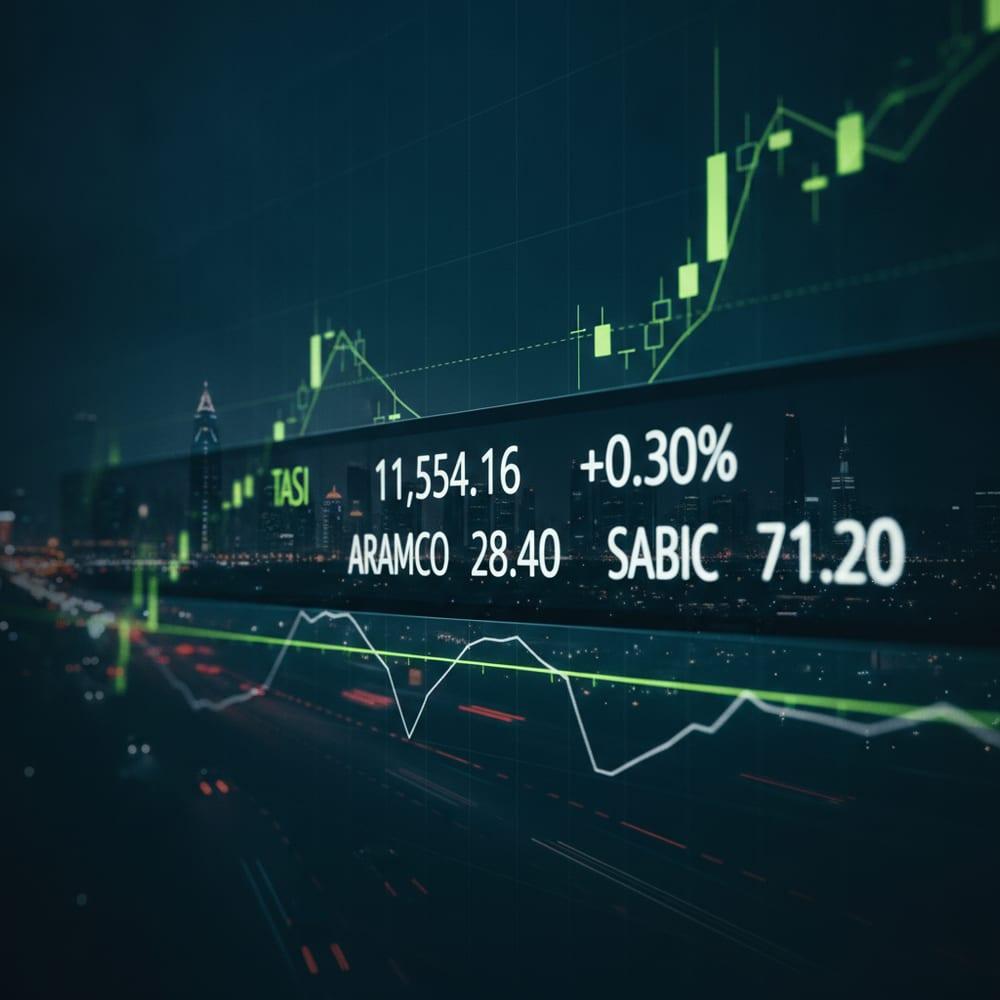
SAIB to sell American Express Saudi stake for SAR 1.43B; TASI ends at 11,032.91
SAIB books SAR 792M gain on Amex stake sale; Kingdom Holding closes Al-Hilal deal; ANB prices $750M sukuk; TASI closes 2026-09-03 up 0.19%.
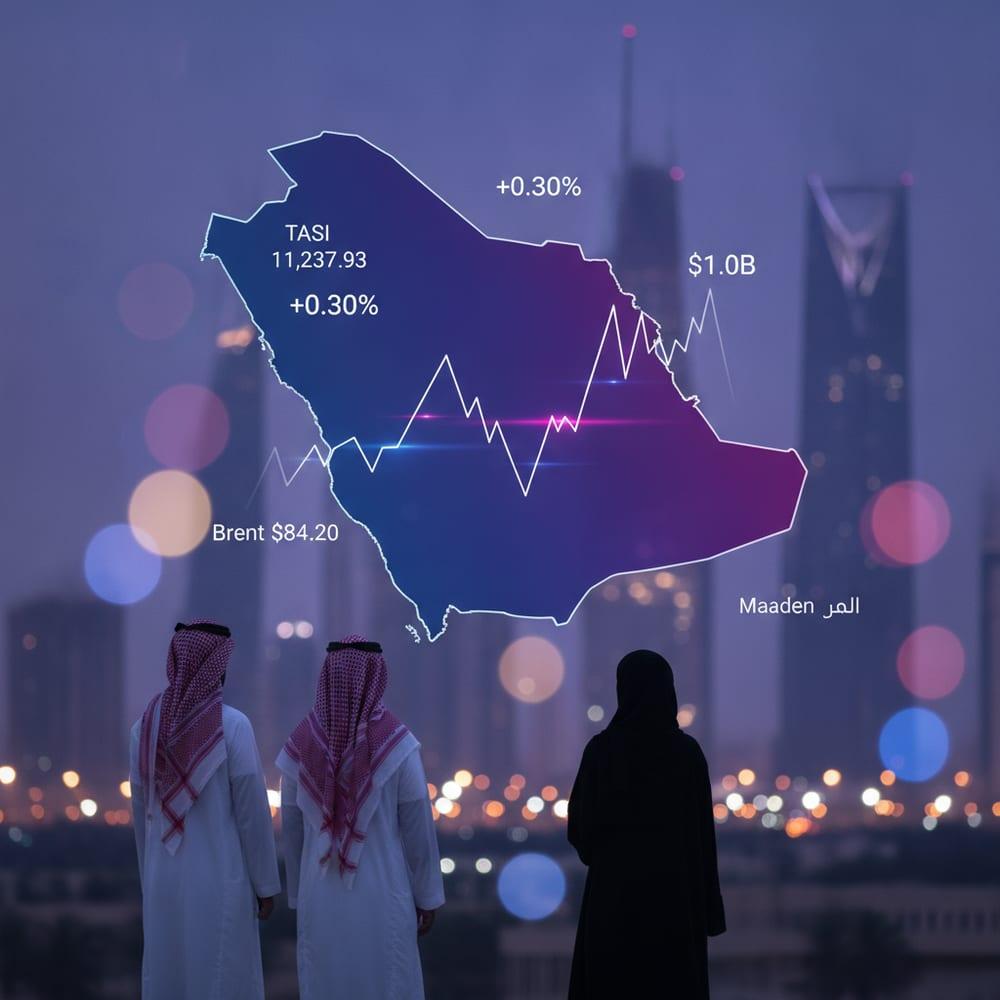
TASI ends week at 11,237.93; Maaden closes debut $1B syndicated facility
Index eases 0.2% on Aug. 27 close; Maaden secures inaugural international loan, CMA clears ANB fund, Armah Sports moves to Main Market.
Aramco Q2 profit jumps 42% to SAR 121.5B; declares SAR 82B dividend
Aramco leads Q2 2026 earnings season as 46 Tadawul-listed firms report; TASI ends the week at 10,811.57, down 0.7% on the final session.

Saudi banks Q2 net profit rises 12.5% to SAR 24.87B; SABIC narrows loss
Tadawul-listed lenders post record quarterly earnings, SABIC declares SAR 3.3B H1 dividend, and PIF signs $24.5B financing MoUs with US EXIM and World Bank arms.

Saudi banks post Q2 profit gains; Al Rajhi leads at SAR 7B
Al Rajhi, SNB, Riyad and Alinma report higher Q2 2026 earnings; SNB approves SAR 6.9B H1 dividend as TASI closes at 10,804.11.
Riyad Bank launches SAR 10B AT1 sukuk programme; CMA approves ETF, bonus issues
Riyad Bank establishes SAR 10 billion perpetual AT1 sukuk programme and signals public offering, as CMA clears new Al Rajhi ETF and two bonus-share capital increases.

TASI ends June up 2.9% YTD; SMC-led consortium wins SAR 3.8B PPP
TASI closes July 2 at 10,826.98; CMA approves BaraSeen Nomu listing and Naseej SAR 163.5M rights issue; SMC Healthcare consortium awarded 15-year behavioural hospital PPP.

ADES to acquire Saipem unit for SAR 1.07B; Ladun wins SAR 2.39B Riyadh contracts
ADES adds five jack-up rigs and SAR 3.8B in backlog; Ladun-led consortium signs Royal Commission for Riyadh City development deals; CMA clears Naseej rights issue.
KAFD DMC secures SAR 12B Murabaha facility; CMA clears Riyad Bank SAR 10B debt program
PIF-owned KAFD DMC closes its first independently arranged 15-year senior-secured Murabaha; CMA approves Riyad Bank debt issuance and reports SAR 179.1M in 2025 fines.

TASI ends week at 11,042 pts; CMA clears Standard Chartered for asset management
Tadawul turnover holds near SAR 5.7B, CMA approves Standard Chartered Capital for investment management, and listed firms disclose contracts, dividends and buybacks.

CMA approves solutions, Maharah capital hikes; MGC files 30% IPO
Regulator greenlights bonus issues for solutions and Maharah, MGC publishes prospectus for SAR-denominated Main Market offering, Alinma prices $500M AT1 sukuk.

Aramco posts Q1 2026 adjusted net income of $33.6B, declares $21.9B dividend
Aramco leads Q1 2026 reporting season as 29 TASI issuers file results; Dar AlBalad IPO draws 66.6x institutional demand; CMA fines exceed SAR 10.7M.
PIF Board approves 2026-2030 strategy; TASI ends week at 11,554
PIF sets three-portfolio structure targeting six domestic ecosystems; TASI ends the week at 11,554.16 after touching a five-month high on April 15.
Frequently asked questions
What is the difference between a sukuk and a conventional bond?
A bond is a debt obligation that pays interest. A sukuk represents an undivided beneficial ownership in an underlying asset, project, or arrangement structured to comply with Shariah, with returns derived from that arrangement rather than from interest. Common structures include mudaraba, ijara, and murabaha. Economically a sukuk can resemble a bond, but its legal and Shariah basis differs.
What is an AT1 sukuk?
An Additional Tier 1 (AT1) sukuk is a perpetual, Shariah-compliant instrument that banks issue to build going-concern regulatory capital under Basel III. It has no fixed maturity, its profit distributions can be cancelled, and it carries loss-absorption features that can write it down or convert it at the point of non-viability, at the regulator's discretion. It ranks below senior debt and depositors but above ordinary shares.
Where are Saudi sukuk listed and regulated?
Sukuk offered publicly are registered with the CMA and may be listed on the Saudi Exchange's debt market; many bank capital sukuk are privately placed to qualified investors. Bank capital adequacy is supervised by the Saudi Central Bank, while listing and disclosure run through the CMA and Tadawul. The 2024 reforms materially simplified the issuance path.