

ESG & Sustainability Reporting
ESG and sustainability reporting in Saudi Arabia sits at an inflection point. Today, disclosure is largely voluntary: the Capital Market Authority issued ESG guidance in 2019 and the Saudi Exchange published its ESG Disclosure Guidelines in 2021, encouraging listed companies to report against recognized frameworks. But voluntary has become de facto expected. The number of Tadawul-listed companies publishing sustainability reports has climbed year over year, the largest issuers — the ones global investors scrutinize most — already disclose against international standards, and mid-cap companies are measured against that benchmark whether or not it is legally required. The direction of travel is clear: the CMA and Tadawul have signaled alignment with the ISSB standards (IFRS S1 and S2) and the TCFD framework, and the GCC exchanges have introduced unified ESG metrics. ESG-labelled debt — green, social, and sustainability sukuk — already carries mandatory disclosure. This hub collects Elevare Partners' analysis of sustainability reporting for Saudi listed companies: which frameworks to use, how to run a materiality assessment, how to build board oversight of ESG, and how to disclose performance with the clarity and credibility investors actually reward. Building TCFD-aligned reporting now is the fastest credible route to readiness for whatever the regulator confirms next.
Related insights
ESG Reporting for Saudi Listed Companies: From Voluntary to Expected
ESG disclosure in the Kingdom is voluntary today but increasingly expected. This guide covers the CMA and Tadawul guidelines, the frameworks that matter, the direction toward IFRS S1/S2, and how to report credibly.
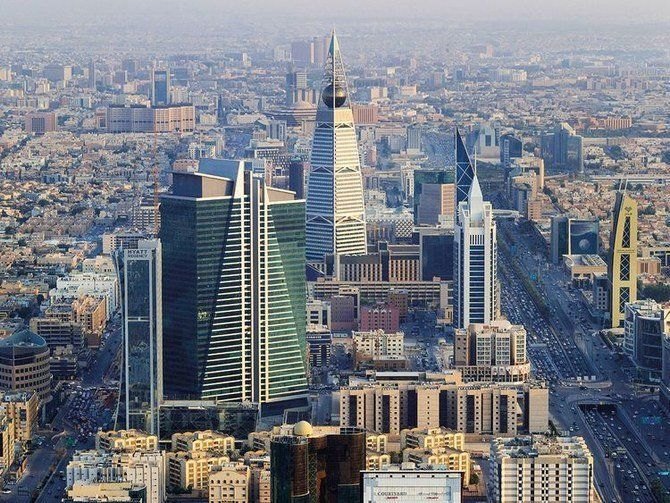
The Future of Investor Relations in Saudi Arabia
As TASI-listed companies face increasing scrutiny from institutional investors, the role of IR is evolving from compliance function to strategic imperative.
In the market digest
Frequently asked questions
Is ESG reporting mandatory in Saudi Arabia?
Not universally, and not yet. The CMA's 2019 guidance and the Saudi Exchange's 2021 ESG Disclosure Guidelines are voluntary, though they function as a de facto market expectation. Mandatory ESG disclosure already applies to issuers of green, social, and sustainability-linked debt. The CMA and Tadawul have signaled IFRS S1/S2 and TCFD alignment as the expected direction, without a confirmed adoption date as of writing.
Which ESG frameworks should a Saudi listed company use?
The Saudi Exchange's guidelines point issuers toward recognized frameworks — GRI, SASB, the UN SDGs — and the market is converging on the ISSB standards (IFRS S1 and S2) and TCFD for climate disclosure. The GCC exchanges have also published a unified set of ESG metrics. A materiality assessment determines which of these matter most for a given company and sector.
How does ESG connect to access to capital?
Institutional investors increasingly factor ESG disclosure into allocation and pricing decisions, and inclusion in global ESG indices depends on credible reporting. For Saudi issuers seeking international capital, the quality and comparability of ESG disclosure has become part of the investment case — and ESG-labelled sukuk can widen the investor base for debt.